CASE STUDIES

Case Studies
Beyond the Coffee Cup
What Human Rights Due Diligence Reveals About Global Coffee Supply Chains
Every morning, billions of cups of coffee are consumed across homes, offices, airports and cafés around the world.
For most consumers, coffee represents comfort, routine and productivity.
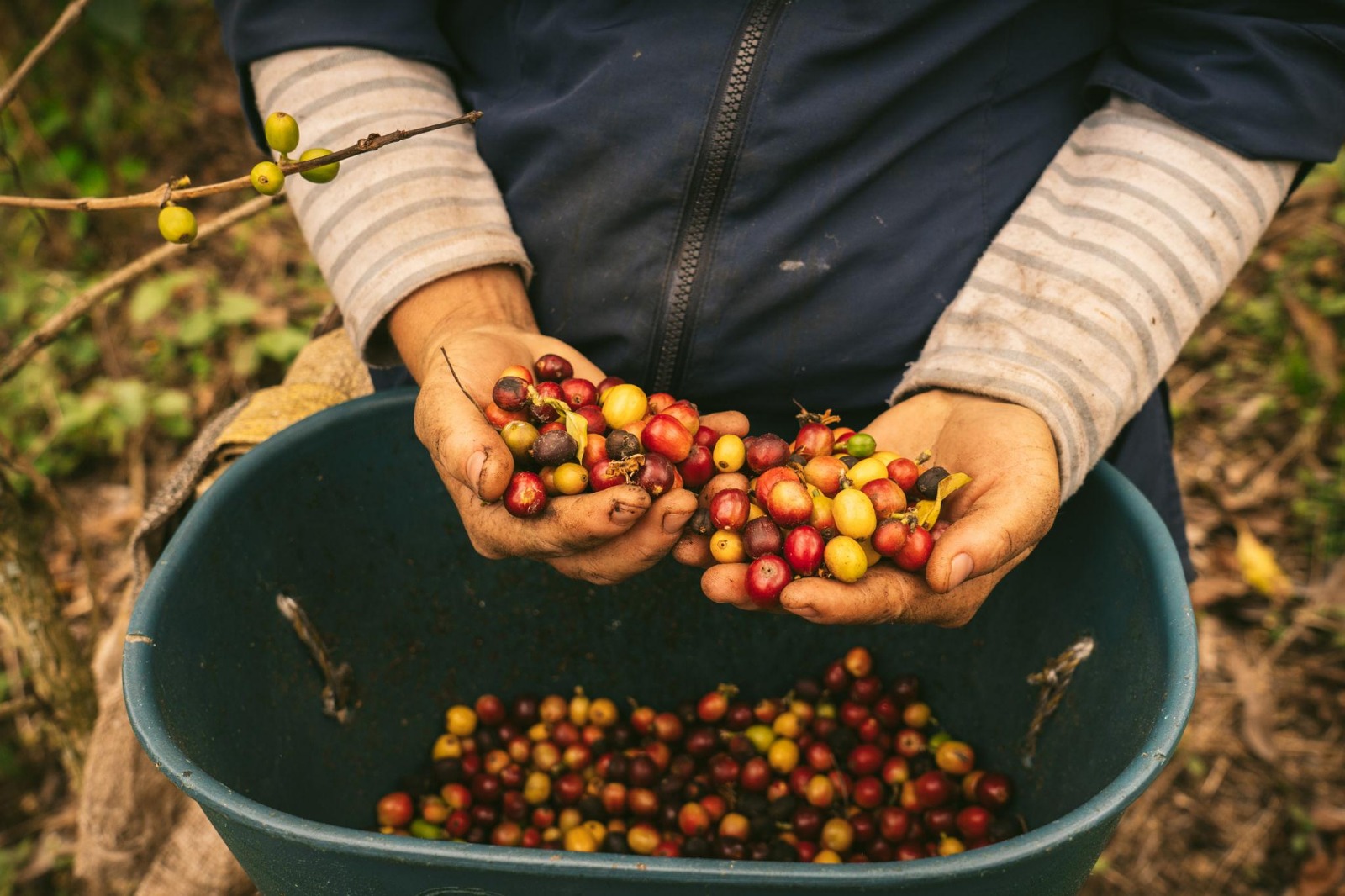
Yet behind every cup lies one of the world’s most complex agricultural supply chains—stretching from smallholder farms in countries such as Brazil, Colombia, Vietnam, Uganda, Honduras and Ethiopia to global traders, processors, roasters, retailers and consumers.
Coffee supports the livelihoods of an estimated 20–25 million farming families worldwide and remains one of the most traded agricultural commodities globally. At the same time, the sector faces a unique set of human rights and labour challenges that often remain hidden deep within upstream supply chains.
As global expectations around responsible sourcing continue to evolve, leading coffee companies are increasingly asking a critical question:
“How do we know what workers, farmers and communities are actually experiencing within our supply chain?”
This is where Human Rights Due Diligence becomes essential.
Looking Beyond Compliance
Historically, many coffee businesses relied heavily on supplier audits, certifications and codes of conduct to monitor supply chain performance.
While these mechanisms remain important, they often provide only a snapshot of conditions at a particular point in time.
The UN Guiding Principles on Business and Human Rights (UNGPs) and the OECD Due Diligence Guidance encourage companies to move beyond compliance and actively engage with affected stakeholders to understand actual and potential human rights impacts.
In practice, this means asking deeper questions :
- Do workers feel safe raising concerns?
- Are seasonal workers treated fairly?
- Do migrant workers understand their rights?
- Are grievance mechanisms accessible?
- Do workers trust supervisors and management?
- Are smallholder farmers earning sustainable livelihoods?
These questions cannot be answered through documentation alone.
They require meaningful engagement with people.
The Human Side of Coffee Production
Coffee production is heavily dependent on labour.
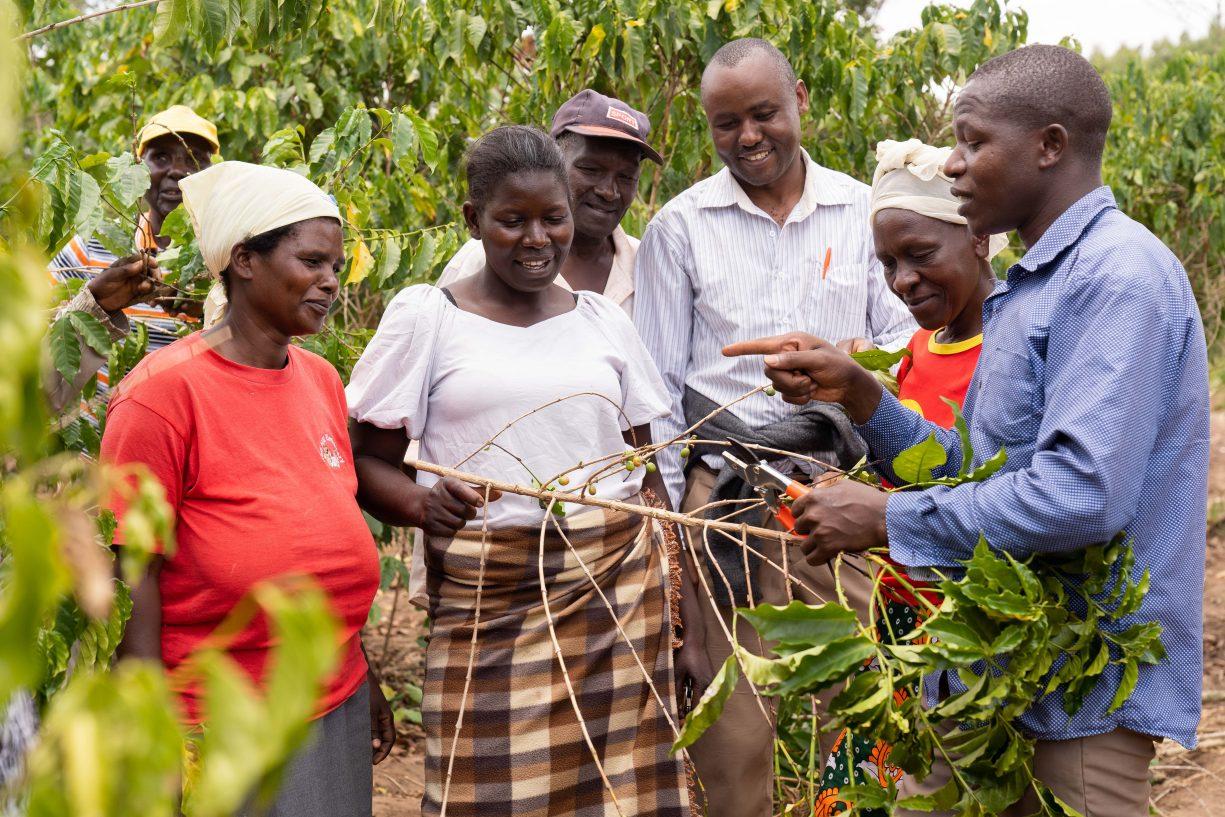
Across producing countries, seasonal and migrant workers often play a significant role during harvesting periods.
Many coffee-growing regions are characterized by:
- Remote rural locations
- Informal labour arrangements
- Seasonal employment patterns
- Limited access to social protection
- Smallholder farming structures
These conditions can create vulnerabilities for workers and farming households, particularly during periods of economic instability or declining coffee prices.
Human Rights Due Diligence does not begin with identifying violations.
It begins with understanding risks.
Worker Voice
A Common Supply Chain Blind Spot :
One of the most overlooked aspects of agricultural supply chains is worker voice.
Many coffee companies have invested significantly in standards, certifications and responsible sourcing policies.
However, a recurring challenge across sectors is determining whether workers actually feel comfortable speaking up.
During stakeholder consultations conducted globally across agricultural sectors, organizations frequently discover that workers may be aware of reporting channels but hesitate to use them due to concerns around confidentiality, effectiveness or potential consequences.
The effectiveness of a grievance mechanism is therefore not measured simply by its existence, but by whether workers trust it.
This principle is reflected directly within the UNGP effectiveness criteria for grievance mechanisms, which emphasize legitimacy, accessibility, predictability, transparency and stakeholder engagement.
Child Labour
Understanding Root Causes Rather Than Symptoms
One of the most widely discussed human rights risks within agricultural supply chains is child labour.
Recognizing the complexity of this challenge, the International Labour Organization (ILO), FAO, UNICEF and the International Trade Centre launched the CLEAR Supply Chains initiative to address the root causes of child labour in coffee supply chains across countries including Uganda, Honduras and Vietnam.
Importantly, responsible businesses increasingly recognize that child labour cannot be addressed through audits alone.
The underlying drivers often include:
- Household poverty
- Income instability
- Lack of educational access
- Labour shortages during harvest periods
- Limited social protection systems
This shift—from identifying incidents to understanding systemic causes—is a hallmark of modern Human Rights Due Diligence.
Emerging Good Practices in the Coffee Sector
Several coffee companies and industry initiatives are increasingly investing in more proactive approaches to human rights and labour rights management.
Examples include:
Worker-Centred Due Diligence
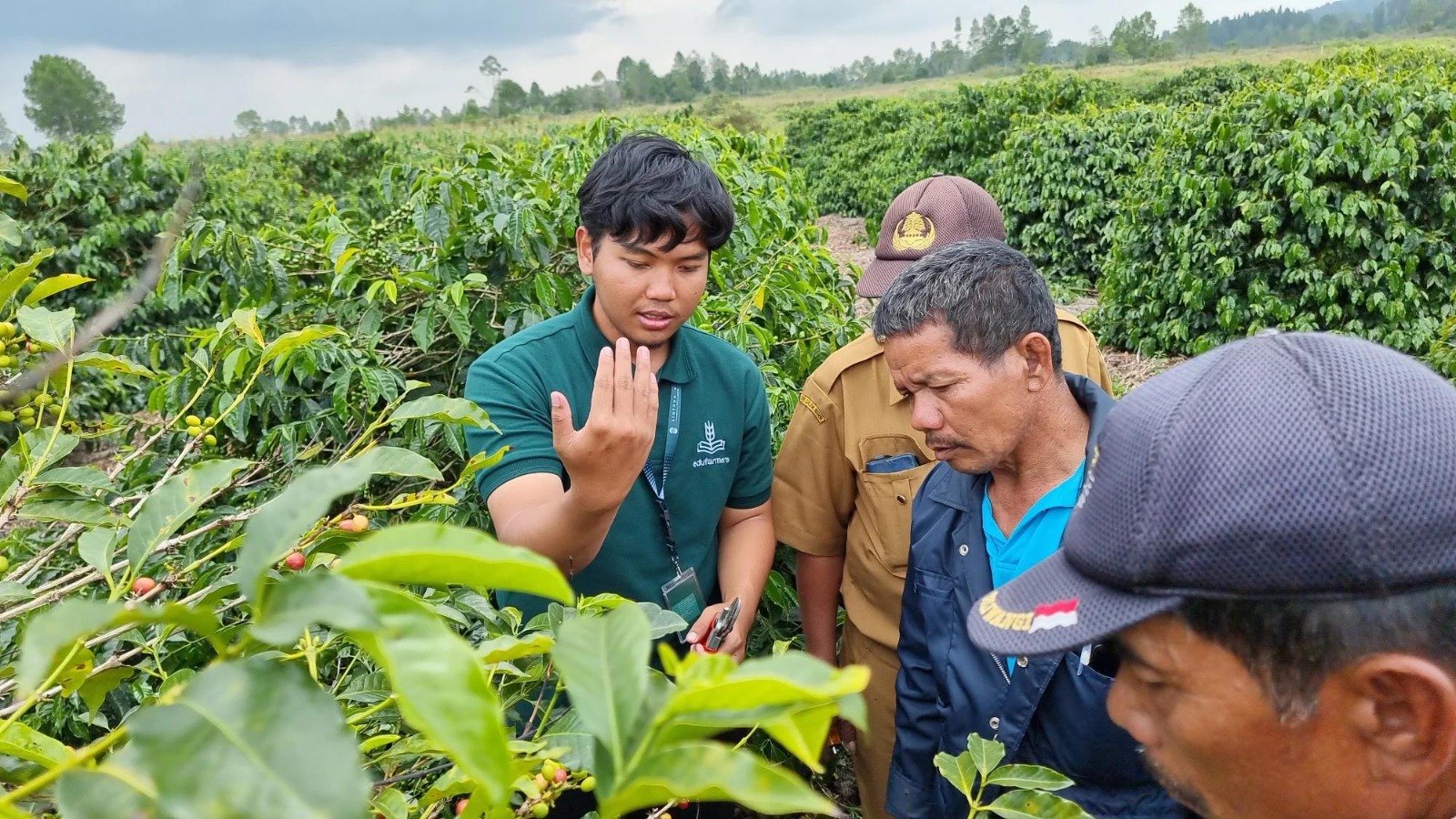
Companies are supplementing audits with worker interviews, perception studies and community engagement processes.
Fair Recruitment Initiatives
In 2026, the ILO and Nestlé launched a programme focused on fair recruitment and labour rights in coffee supply chains across Brazil, Colombia and Mexico, emphasizing worker protection and decent work outcomes.
Supply Chain Transparency
Many coffee businesses are investing in traceability systems to better understand sourcing regions and identify areas requiring targeted interventions.
Multi-Stakeholder Collaboration
Industry-wide initiatives increasingly bring together businesses, governments, NGOs and worker representatives to address shared challenges rather than expecting individual suppliers to solve systemic issues alone.
What Human Rights Due Diligence Actually Looks Like
A modern Human Rights Impact Assessment in a coffee supply chain typically goes beyond document reviews and certifications.
It seeks to understand the lived experiences of workers, farmers and communities through:
Worker Consultations
Understanding workplace realities, recruitment experiences and worker concerns.
Farmer Engagement
Assessing livelihood challenges, market pressures and operational risks.
Grievance System Reviews
Evaluating accessibility, trust and effectiveness of existing channels.
Community Consultations
Understanding impacts beyond the workplace.
Supply Chain Risk Mapping
Identifying geographic, operational and stakeholder-specific risks.
Root Cause Analysis
Moving beyond symptoms to understand underlying drivers of risk.
This approach aligns with both the OECD Due Diligence Guidance and the UN Guiding Principles on Business and Human Rights.
The Future of Responsible Coffee
The future of responsible sourcing will increasingly depend on an organization’s ability to understand people—not just processes.
As regulations such as the EU Corporate Sustainability Due Diligence Directive (CSDDD) and other responsible sourcing expectations continue to evolve, businesses are being asked not only to identify risks but also to demonstrate how they engage with affected stakeholders and address impacts.
For coffee businesses, this means shifting from a model based solely on compliance towards one built on trust, engagement, transparency and continuous improvement.
The EIKYO Perspective
At EIKYO Consulting, we view Human Rights Due Diligence as more than a risk-management exercise.
It is an opportunity to understand the experiences of workers, farmers and communities that form the foundation of global supply chains.
By combining stakeholder engagement, worker voice methodologies, social and ethical research, supply chain risk assessments and internationally recognized due diligence frameworks, organizations can move beyond compliance and develop a more complete understanding of how their supply chains function in practice.
The journey toward responsible sourcing does not begin with an audit.
It begins with listening.